


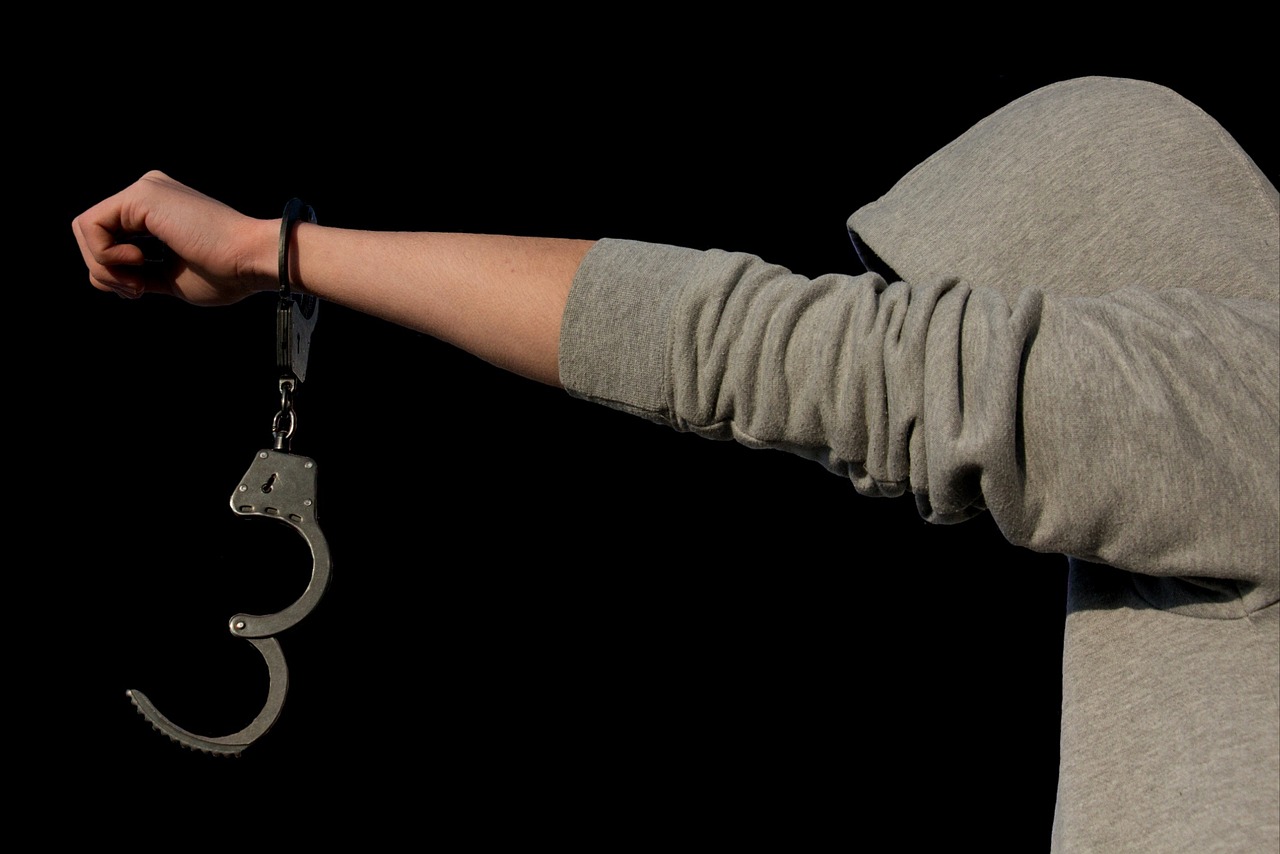
The Council of Ministers this week approved a Royal Decree reforming the protocol for the forensic medical examination of the detained person. The new standard updates the protocol established in 1997, responds to current needs and adapts it to the changes produced since then in the legislation, in the Administration of Justice, in society and in forensic sciences themselves.
The adaptation contemplated by this royal decree allows, on the one hand, to adapt the functions and procedures to be applied to current regulations to international standards, to the use of new technologies and to the circumstances and needs of detainees, especially the most vulnerable.
On the other hand, the standard also “ensures the efficacy and safety of the public service, as well as the excellence of the performance of forensic medicine in the services provided by the institutes of legal medicine and forensic sciences in Spain,” reported the Government.
In addition, the royal decree is in line with the jurisprudence of the European Court of Human Rights and the recommendations of both the European Committee for the Prevention of Torture and Inhuman or Degrading Treatment or Punishment, as well as the National Mechanism for the Prevention of torture.
Finally, the protocol may be adapted to the characteristics and circumstances of each institute of legal medicine and forensic sciences. Likewise, it may be applied by the forensic clinic services of the institutes to the detained person who is under the jurisdiction of courts and tribunals, and available to the prosecutor’s offices.
New regulation of the Weapons Regulation
On the other hand, the Council of Ministers also gave the green light to a reform of the Weapons Regulation to include in its text the regulation of the National Registry of Weapons.
The Royal Decree modifies section 1 of article 9 of the Weapons Regulations to specify that the National Registry of Weapons must include all the data necessary to issue licences, authorisations, permits, cards and guides to the ownership of weapons.
To this end, the Registry will collect all the information and data related to weapons, their essential components, weapons similar to firearms, alarm and signal weapons, air or other compressed gas weapons, disabled and electrical defences, so as to guarantee their identification and traceability.
The modification also affects point 4b) of the same article 9 of the Weapons Regulation, in such a way that it will now specify that the competent authorities for access to the records of firearms and essential components, as well as the related personal data. They are all those competent for the prevention, investigation, detection or prosecution of criminal offences or the execution of criminal offences, including protection and prevention against threats against public safety.
The Royal Decree to reform the Weapons Regulations has favourable reports from the Council of State, the Permanent Interministerial Commission on Weapons and Explosives and the Spanish Agency for Data Protection.
The post Revised detainee forensic examination protocol approved appeared first on Spain Today – Breaking Spanish News, Sport, and Information.