


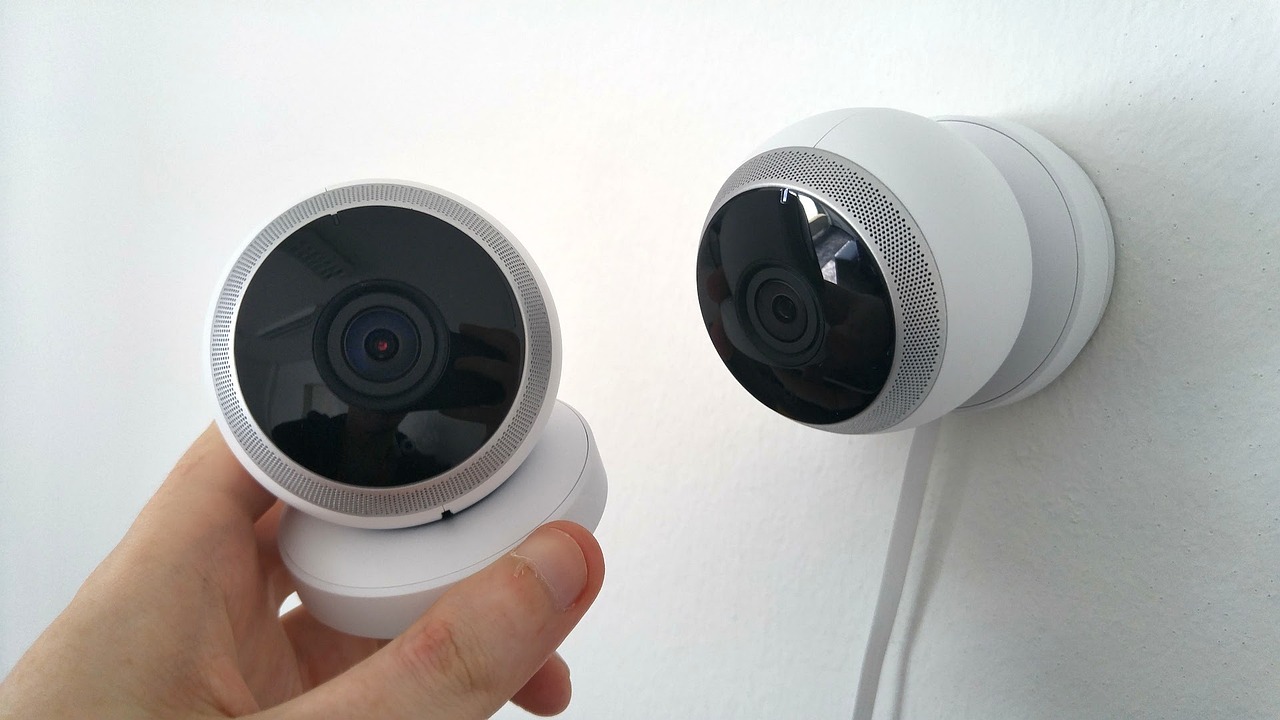
The installation of a video surveillance system inside the workplace is allowed in Spain, allowing sufficient control of it and, in particular, of the entrances and exits, as well as an overview of the workstations; but not if there is exhaustive monitoring of all or most of the movements, or even gestures, of the workers.
In a recorded case which laid down the principles, a worker had been providing services as a commercial manager/agent until his dismissal, which was first declared null and void by the labour court and then inadmissible on appeal.
He returned to his position and a few days later the company informed the workers in writing of the existence of a video surveillance system that protects the facilities of the work centre and the installation of cameras inside that would also be used to exercise control functions of workers in the fulfilment of their labour obligations, in accordance with ET art.20.3.
These new cameras are located in areas from which you can see the lockers, locker room, bathroom access, social dining room, water area and the office of the reinstated worker. The Data Protection Procedure was included in the Employee Portal.
The entire staff signed the communication except for the worker, who stated his disagreement with the communication and also in subsequent emails. He considers that the installation of the video surveillance cameras, and the publication on the notice board of the rules for the use of digital devices after his reinstatement, have a persecutory and surveillance intention towards him, which is why he does not consent to the recording of his image or to the transfer of your personal data, and filed a lawsuit for violation of his right to privacy.
The court began its analysis with data processing. It is clear that the company fulfilled its obligation to notify the workers in advance of the installation of the video surveillance system. With the Data Protection Procedure that appears on the Employee Portal, it also provided sufficient information on the rights of workers associated with data processing.
However, it is not expressly stated which person was in charge of the treatment, nor compliance with the obligation to previously inform the workers’ representation.
These formal or data processing breaches may have consequences in other areas, but they do not affect the right to privacy of those affected.
Therefore, what is being questioned is whether the installation of the video surveillance system has been carried out under material conditions that respect the workers’ right to privacy, not the legality of the use of cameras to detect the commission of irregularities by the worker.
For these purposes, the company already had a perimeter exterior video surveillance system, which was the system that most directly addressed the security of the workplace. The implementation of interior cameras may also serve security reasons, but their purpose is more extensive and is aimed at controlling workers.
The control of material and effective performance is carried out by checking the computer work instruments and the result of said work itself at each moment in time considered (quantity and quality of documents completed, contacts with clients, procedures carried out, etc.).
Video surveillance can also reveal whether a worker leaves his or her job too frequently and engages to a greater or lesser extent in non-productive activities, which is a legitimate purpose. Therefore, for the Court, the installation of a video surveillance system inside a work centre must be understood as useful in itself for these purposes.
Now, regardless of the above, the Court states that the intensity of video surveillance must also be assessed. It distinguishes between having sufficient control of the interior of the work centre and, in particular, its entrances and exits, as well as an overview of the jobs, from the very different fact of exhaustive monitoring of all or most of the movements or even gestures of the workers.
It considers that the turning point must be located at the limit between a general control of compliance with labour duties, and a monitoring of workers whose exhaustiveness and detail go beyond the limits of such control, affecting, then, their right to privacy.
In the case in question, the cameras are installed in areas where lockers, locker rooms, bathroom access, social dining room, water area and worker’s office were visible. It has not been proven whether such cameras do not focus, or can focus with simple manipulation, on these privacy areas. Even if it were accepted that they have a fixed orientation, there is no indication that this fixity could not be varied with a simple operation, both hardware and software. For this reason, the video surveillance system, as installed, is disproportionate and therefore implies an intrusion into the privacy and intimacy of the workers and, in particular, of the complaining worker.
For all this, it confirms the lower court ruling, which condemns the company to remove the cameras and pay €30,001 as compensation for the moral damages caused by the violation of the worker’s fundamental right to privacy.
The post What are the limits of video surveillance in the workplace? appeared first on Spain Today – Breaking Spanish News, Sport, and Information.