




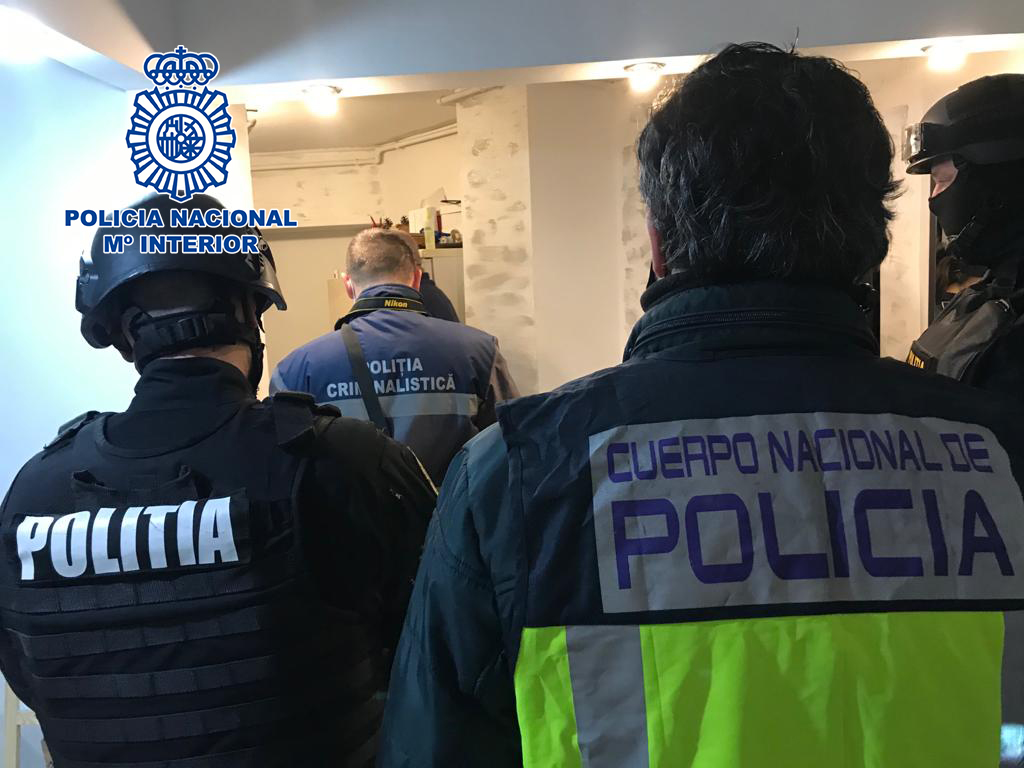
In a joint operation between Spain and Romania, 16 victims of sexual exploitation have been released, whom their pimps described as their own cash registers. Nine members of this criminal network dedicated to human trafficking that operated in Spain, Romania and the United Kingdom, and who controlled the prostitution business in the southern part of Tenerife, have been arrested. The detainees forced their victims to consume drugs and engage in prostitution.

The police investigation, divided into two phases, has been developed within the scope of EUROJUST and by virtue of the existing channels of international judicial cooperation. The first part began in Santa Cruz de Tenerife, where the origin of the main criminal activity was established and the victims of sexual exploitation were released, in addition to carrying out all the entries and searches. In the second phase, the arrests related to the European Arrest and Surrender Orders were carried out.
The operation began when officers learned of the existence of a criminal organisation, based in Tenerife, which was perfectly structured and operated between Spain, Romania and the United Kingdom. Its members controlled criminal activity related to prostitution in this area of Spain, especially in the southern part of the island, specifically in the towns of Arona and Adeje.
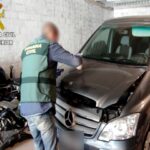
The investigation culminated with four liberated victims and three detainees who had a European Order of Detention and Surrender for the crimes of Trafficking in Human Beings, related to prostitution and belonging to a criminal organisation. Six entries and searches have been made – four at homes in the Tenerife towns of Adeje and Arona, one at a club in Arona and another at a home in the Tetuán district of Madrid – in which various mobile phone devices have been intervened, research-related documentation and more than 17,000 euro in cash.
In Romania, a device was carried out in which two national police officers collaborated and twelve victims were freed. Likewise, six arrests were made for the crimes of trafficking in human beings and belonging to a criminal organisation, and 16 entries and searches were carried out at private homes in the Turda area of Romania. In addition, four high-end vehicles and two buildings that had been obtained as a result of the profit generated through the crimes investigated have been seized.
The victims, of Romanian nationality, were flown from Romania to Tenerife and once there they travelled in cars belonging to the members of the organization to the towns of Adeje and Arona. Likewise, and from Spain, they were regularly transferred to London by air. In all these places they were forced to practice prostitution in hostess clubs or in flats.
The members of this criminal organisation controlled their victims by forcing them to consume narcotic substances, especially cocaine, often provided by the pimps themselves, all with the aim of overriding their will and being more profitable for the business. Women were treated as sexual merchandise, considered the property of the leader and classified as cash registers. They suffered constant harassment, threats -both against them and their relatives- and physical attacks by their exploiters.