





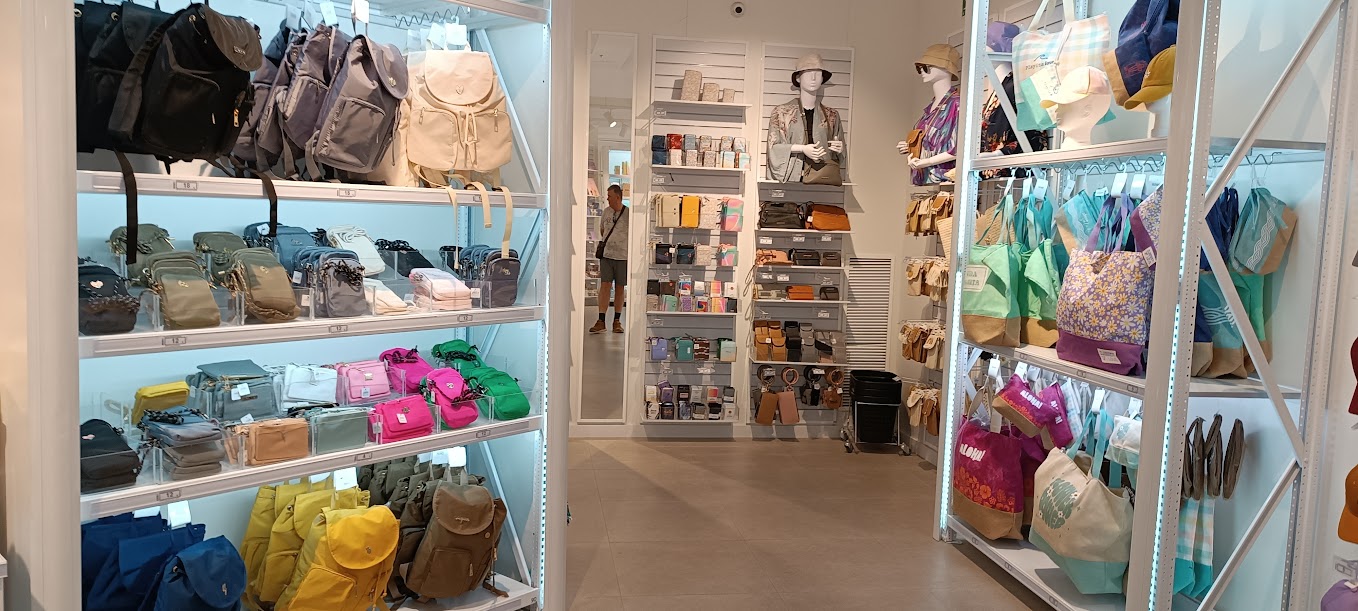
The shopping centre market in Spain is experiencing record transactional activity, exceeding the rented space in the same period of 2022 by 33% and by 35% those of 2019. This is indicated by the latest report from CBRE, which indicates that this boom is attributed to the ambitious expansion plans of various brands.
The fashion sector leads the openings, representing 26% of the total, closely followed by restaurants with 22%. Additionally, expansion plans in the beauty and perfumery, pet stores and sports sectors stand out.
Shopping centres have shown positive performance, with sales levels 5% higher than in 2019 and a progressive recovery in visitor influx. Vacancy has remained stable at around 9%, and the availability rate is expected to decrease in line with space contracting activity. Prime rent has remained at 50 euro per square metre per month throughout the year.
As for High Street, international retailers have been protagonists in 55% of rental demand from operators is significant, but the low availability of spaces in the main commercial hubs is limiting transactional activity. Until September, this was 29% lower than the same period of the previous year.
Fashion brands are also leading the openings on High Street with 46% of the total, followed by specialty retail (17%), particularly in beauty and perfume stores. Accessories, select food and decoration stores are also gaining relevance.
On High Street, vacancy is already at low levels and, in some cities like Madrid, even with figures lower than pre-pandemic levels (at 5%).
So far this year, transactions carried out by international retailers have represented 55% of the total. Rent levels have remained stable and a slight rebound is expected in the middle of next year, especially in the most popular shopping streets in the main Spanish cities. Prime rent is currently 215 euro per square metre per month.
The vacancy in the main commercial hubs is low, with figures even lower than those of pre-pandemic, as in Madrid where it is located in the 5%.
The investment in the retail sector has reached 738 million euro until September according to CBRE data. This volume indicates a drop of 42% compared to the total registered in the same period last year – without taking into account the extraordinary operations of bank branches of the year previous (the transaction between BBVA and Merlin Properties of €1.9B being the most notable) -.
Paul Santos Robson, Head of Retail Iberia at CBRE, explains that “this slowdown in investment is mainly due to the complex conditions of existing financing. However, retail has proven to be a resilient sector that is knowing how to adapt to new consumer purchasing demands. We are seeing how we Spaniards maintain the preference for purchasing in physical stores, which is also being reflected in the leap to offline of more and more digital native brands.”
Analysing the total volume by subsectors, retail parks and food are leading the investment, combining 36% and 35% of the total respectively. Behind them are the shopping centres (16%) and finally the high street (12%). By origin of the investor, 60% of the total volume has been transacted by international capital.
Footfall in Spanish shopping centres increased by 5.6% in the month of November compared to the same month in 2022, according to the monthly index published by Sensormatic Solutions, the Johnson Controls brand for retail solutions. In this way, the annual accumulated figure stands at +7.6%. If we compare the last 12 months (December 2022 to November 2023 versus December 2021 to November 2022), the cumulative figure stands at +7.8%.
The post International chains and fashion helping to lead retail boom in Spain appeared first on Spain Today – Breaking Spanish News, Sport, and Information.
Other Articles

Christmas “gifts” for the self-employed